
Hey there! As a supplier of Drill Track Undercarriage, I've got a ton of hands - on experience and knowledge about how these bad boys impact the ground surface. In this blog, I'll break it all down for you so you can understand the ins and outs of this crucial aspect.
Understanding Drill Track Undercarriage
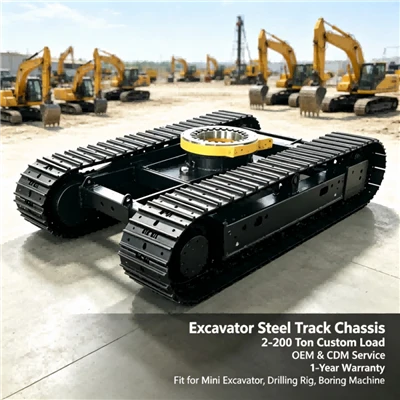
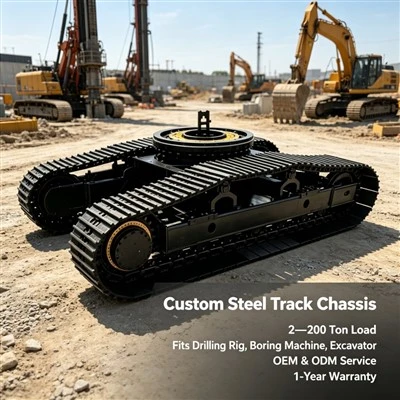
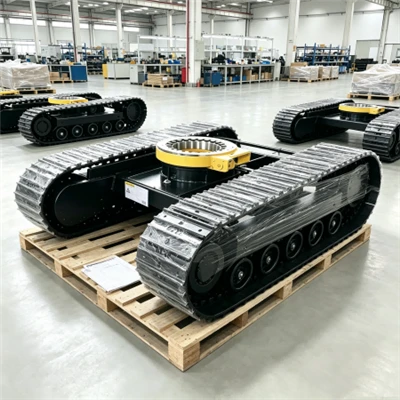
First off, let's get a clear picture of what a drill track undercarriage is. It's the part of a drilling rig that's in direct contact with the ground. It's like the feet of the rig, providing support and mobility. You can check out more details about Drill Track Undercarriage on our website.
The main components of a drill track undercarriage typically include tracks, track frames, rollers, sprockets, and idlers. Each of these parts plays a vital role in how the undercarriage interacts with the ground. The tracks, for example, are what distribute the weight of the drilling rig over a larger area. This helps to reduce the pressure on the ground, minimizing the chances of the rig sinking or causing excessive damage.
Factors Affecting Ground Impact
Track Design
The design of the tracks has a huge impact on the ground. There are different types of track patterns, such as lug, bar, or smooth. Lugged tracks, for instance, have raised lugs that provide better traction on soft or uneven ground. This can be great for drilling in areas like marshes or sandy terrains. However, these lugs can also dig deeper into the ground, causing more disruption to the surface.
On the other hand, smooth - surfaced tracks distribute the weight more evenly and cause less ground penetration. They're often used in areas where ground disturbance needs to be minimized, like on paved roads or in environmentally sensitive areas. You can find various track designs in our Tracked Undercarriage for Drill Rig options.
Rig Weight and Distribution
The weight of the drilling rig itself is a major factor. Heavier rigs put more pressure on the ground, which can lead to more pronounced ground deformation. But it's not just about the total weight; how that weight is distributed across the undercarriage also matters. A well - designed undercarriage will distribute the weight evenly, reducing the stress on any one point of the ground.
Our Heavy Duty Steel Crawler Undercarriage Drill Rig is engineered to handle heavy loads while maintaining a good weight distribution, which helps to mitigate the impact on the ground.
Ground Conditions
The type of ground the drill rig is operating on makes a world of difference. Soft soils, like clay or silt, are more susceptible to deformation. When a drill track undercarriage moves over soft ground, it can easily sink in, creating ruts and causing uneven compaction.
In contrast, hard - packed ground, such as rock or well - compacted gravel, can withstand more pressure without significant damage. However, in some cases, the tracks can still cause abrasion or scratching on the hard surface.
Types of Ground Surface Impacts
Compaction
One of the most common impacts is ground compaction. When the drill track undercarriage repeatedly passes over an area, it compresses the soil particles closer together. This can reduce the porosity of the soil, which affects water infiltration and root growth. In agricultural areas, excessive compaction can lead to reduced crop yields.
But not all compaction is bad. In some construction sites, a certain degree of compaction is actually desirable to create a stable foundation. Our drill track undercarriages can be adjusted to achieve the right balance of compaction based on the specific needs of the project.
Ruts and Depressions
Ruts are another issue, especially on soft ground. As the tracks move, they can dig into the soil, creating long, narrow depressions. These ruts can impede the movement of other equipment and may also cause drainage problems. In extreme cases, they can even make the drill rig unstable.
To prevent excessive rutting, it's important to choose the right track design and pressure distribution. Our Crawler Undercarriage Assembly for Drilling Rig is designed to minimize rut formation and ensure smooth operation.
Surface Erosion
In some cases, the movement of the drill track undercarriage can contribute to surface erosion. When the tracks churn up the soil, it becomes more vulnerable to the forces of wind and water. This can lead to the loss of topsoil, which is rich in nutrients and essential for plant growth.


To combat erosion, proper ground - protection measures can be taken, such as using mats or temporary paving. Also, choosing the right undercarriage design can help reduce the amount of soil disturbance in the first place.
Mitigating Ground Surface Impacts
Proper Track Selection
As I mentioned earlier, choosing the right track design is crucial. Before starting a project, you need to assess the ground conditions and select the tracks that will cause the least amount of damage. If you're unsure, our team of experts can help you make the right choice.
Ground Protection Measures
Using ground - protection mats or pads can significantly reduce the impact on the ground. These mats distribute the weight of the rig over an even larger area, further reducing ground pressure. They're especially useful in sensitive areas or on soft ground.
Regular Maintenance
Keeping the drill track undercarriage in good condition is also important. Worn - out tracks or components can cause more uneven pressure on the ground, leading to increased damage. Regular maintenance, including track tension adjustment and component replacement, can ensure that the undercarriage operates smoothly and minimizes ground impact.
Why Choose Our Drill Track Undercarriage
Our drill track undercarriages are designed with the latest technology and highest quality materials. We offer a wide range of options, including Drill Rig Undercarriage, to meet the diverse needs of our customers.
We understand the importance of minimizing ground surface impact, and our products are engineered to do just that. Whether you're working in a construction site, a mine, or an environmentally sensitive area, our undercarriages can provide the performance and reliability you need.
If you're in the market for a drill track undercarriage, I encourage you to reach out to us. We'd be more than happy to discuss your specific requirements and find the best solution for your project. Don't hesitate to contact us for a consultation and let's work together to get the job done right while taking care of the ground.
References
- "Principles of Soil Mechanics" by A. Casagrande
- "Construction Equipment Handbook" by Frank W. Driscoll
- Industry research reports on drill rig undercarriages and ground impact studies