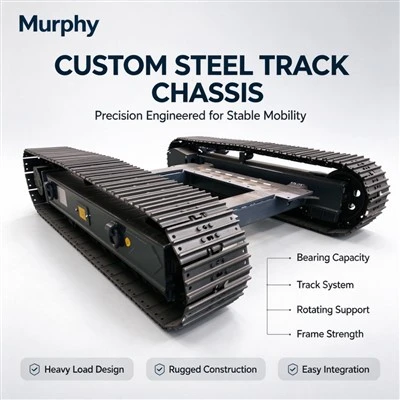

A steel track undercarriage doesn't fail in isolation. It fails in context. The same track frame, rollers, and chain assembly that performs reliably in a sand and gravel operation can show accelerated wear in a quarry with sharp, fractured rock. This isn't a defect. It's a selection problem that surfaces after the machine is already running.
The most common oversight is treating "steel track undercarriage" as a single category. In practice, the track shoe profile, roller sealing arrangement, and chain material all shift depending on whether the machine works on abrasive rock, wet clay, or compacted construction debris. A supplier who doesn't ask about ground conditions before quoting is quoting blind. A quote might appear highly competitive on the surface, but the extent of wear and tear over time could tell a different story.
Buyers reduce risk by specifying terrain, turn frequency, ground condition and reverse travel requirements. These details don't require engineering knowledge. They simply describe the job. A supplier who listens to those details and adjusts the Complete Crawler Undercarriage Assembly specification accordingly is the one worth keeping.