
Soil is one of the most crucial environmental factors that directly influence the performance and lifespan of crawler loader undercarriage parts. As a dedicated supplier of Crawler Loader Undercarriage Parts, I have witnessed firsthand how different soil types can lead to varying degrees of wear and tear on these essential components. In this blog, I will delve into the relationship between soil type and the wear of crawler loader undercarriage parts, providing valuable insights for operators and decision - makers in the construction and mining industries.
1. Understanding Crawler Loader Undercarriage Parts
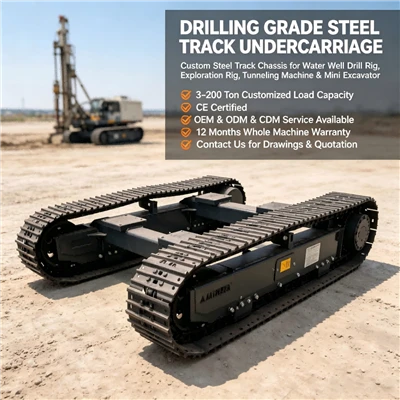
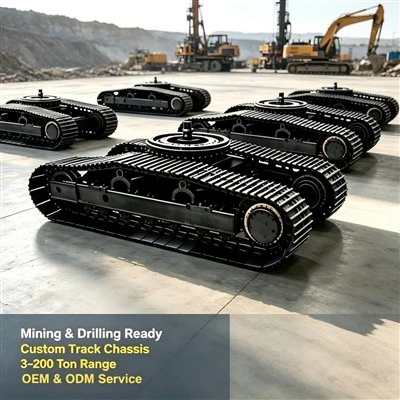
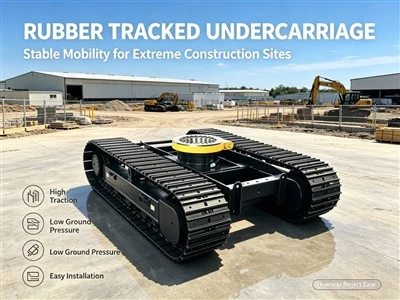
Before we discuss the impact of soil type, it's important to understand the key components of a crawler loader undercarriage. The undercarriage typically consists of tracks, rollers, idlers, sprockets, and track shoes. These parts work together to provide the necessary traction, support the weight of the loader, and enable smooth movement. Each component is subject to different forces and stresses during operation, and the soil type can significantly affect how these forces are distributed and absorbed.
2. Different Soil Types and Their Characteristics
Soil can be broadly classified into several types, each with its own physical and mechanical properties.
2.1 Sandy Soil
Sandy soil is composed of relatively large particles with low cohesion. It has good drainage properties and is easy to move through. However, the abrasive nature of sand particles can cause significant wear on undercarriage parts. When a crawler loader operates on sandy soil, the sand grains can get trapped between the tracks, rollers, and other components. This abrasive action can lead to surface wear, pitting, and even premature failure of the parts. For example, the track shoes may experience accelerated wear on their contact surfaces, reducing their ability to provide effective traction.


2.2 Clayey Soil
Clayey soil has small particles with high cohesion. It is sticky and tends to adhere to the undercarriage parts. When a crawler loader moves on clayey soil, the clay can build up on the tracks, rollers, and idlers. This build - up not only increases the weight of the undercarriage but also creates additional friction and stress on the components. The sticky nature of clay can cause the tracks to slip, leading to uneven wear on the track shoes and increased wear on the sprockets as they try to maintain traction. Moreover, the clay can also penetrate the seals of the rollers and idlers, causing damage to the internal bearings and reducing their lifespan.
2.3 Rocky Soil
Rocky soil contains large, hard rock fragments. Operating a crawler loader on rocky terrain poses a high risk of impact damage to the undercarriage parts. The sharp edges of the rocks can cut into the track shoes, causing cuts and tears. The rollers and idlers may also be damaged by direct impacts from the rocks, leading to cracks or deformation. In addition, the constant jolting and vibration caused by moving over rocky soil can loosen the fasteners and connections in the undercarriage, further compromising its integrity.
2.4 Loamy Soil
Loamy soil is a mixture of sand, silt, and clay, offering a relatively balanced combination of properties. It has good drainage, moderate cohesion, and is generally less abrasive than sandy soil and less sticky than clayey soil. Crawler loaders operating on loamy soil typically experience less wear on the undercarriage parts compared to other soil types. However, if the loamy soil contains small stones or gravel, it can still cause some degree of abrasion over time.
3. How Soil Type Affects Specific Undercarriage Components
3.1 Tracks
Tracks are in direct contact with the soil, and their wear is highly dependent on the soil type. On sandy soil, the tracks are subject to abrasion, which can wear down the tread pattern and reduce traction. In clayey soil, the tracks can become clogged, leading to reduced flexibility and increased stress on the track joints. On rocky soil, the tracks are at risk of being cut or punctured, which can lead to track failure.
3.2 Rollers
Rollers support the weight of the crawler loader and guide the tracks. In sandy soil, the abrasive sand particles can enter the roller bearings, causing premature wear and reducing the roller's ability to rotate smoothly. In clayey soil, the build - up of clay on the rollers can increase the load on the bearings and cause them to overheat. On rocky soil, the rollers may be damaged by direct impacts from the rocks.
3.3 Idlers
Idlers help maintain the proper tension of the tracks. In sandy soil, the idlers may experience wear on their contact surfaces due to abrasion. In clayey soil, the build - up of clay can prevent the idlers from rotating freely, leading to uneven track tension. In rocky soil, the idlers are at risk of being damaged by impacts, which can affect the overall performance of the undercarriage.
3.4 Sprockets
Sprockets engage with the tracks to provide power and movement. In sandy soil, the abrasive particles can wear down the teeth of the sprockets, reducing their ability to transfer power effectively. In clayey soil, the sticky clay can cause the sprocket teeth to slip, leading to uneven wear and potential damage to the sprocket. In rocky soil, the sprockets may be damaged by impacts from the rocks, which can disrupt the smooth operation of the track system.
4. Mitigating the Effects of Soil Type on Undercarriage Wear
As a supplier of Crawler Loader Undercarriage Parts, I understand the importance of minimizing the wear and tear caused by different soil types. Here are some strategies that operators can adopt:
4.1 Regular Maintenance
Regular cleaning of the undercarriage is essential, especially when operating in sandy or clayey soil. This can help remove the abrasive particles or sticky clay that can cause wear. Inspecting the undercarriage components for signs of wear, damage, or misalignment on a regular basis can also help detect problems early and prevent further damage.
4.2 Proper Track Tension
Maintaining the proper track tension is crucial for reducing wear on the undercarriage parts. Incorrect track tension can cause uneven wear on the tracks, rollers, and sprockets. Operators should follow the manufacturer's guidelines for adjusting the track tension based on the soil type and operating conditions.
4.3 Use of Appropriate Parts
For different soil types, using undercarriage parts with specific features can help reduce wear. For example, in sandy soil, using track shoes with a harder surface material or a special anti - abrasive coating can increase their resistance to wear. In rocky soil, using parts with higher impact resistance can help prevent damage from impacts.
4.4 Operator Training
Proper operator training can also play a significant role in reducing undercarriage wear. Operators should be trained to recognize the characteristics of different soil types and adjust their operating techniques accordingly. For example, when operating on steep or uneven terrain, operators should avoid sudden starts, stops, and turns, which can increase the stress on the undercarriage parts.
5. The Role of High - Quality Undercarriage Parts
As a supplier, I am committed to providing high - quality Crawler Loader Undercarriage Parts that can withstand the challenges posed by different soil types. Our Crawler Undercarriage Assembly for Mucking Loader and Crawler Loader Track System are designed and manufactured using advanced materials and technologies to ensure durability and performance. By choosing our parts, operators can expect reduced downtime, lower maintenance costs, and improved productivity.
6. Conclusion and Call to Action
In conclusion, the type of soil has a significant impact on the wear of crawler loader undercarriage parts. Understanding the characteristics of different soil types and their effects on the undercarriage components is essential for operators to take appropriate measures to reduce wear and extend the lifespan of the parts. As a reliable supplier of crawler loader undercarriage parts, I am here to provide you with the highest - quality products and professional advice.
If you are looking for high - performance undercarriage parts for your crawler loader, or if you have any questions about how to deal with the wear caused by different soil types, please don't hesitate to contact us. We are ready to discuss your needs and provide the best solutions for your business.
References
- Vesco, R. (2015). Earth - moving machinery - Tracked machines - Laboratory evaluation of undercarriage component wear. International Journal of Mining, Reclamation and Environment.
- Meyer, T. W., & Chappell, R. R. (2017). Soil - machine interaction: Fundamentals and applications. CRC Press.