
Undercarriage maintenance consumes up to 50% of a tracked machine's lifetime operating cost. Yet most of that spend traces back to a handful of habits that operators either build or ignore during the shift.
Track tension is key. Excess tension creates frictional heat and causes internal damage to pin seals. Too loose, and the chain whips against idler flanges, wearing them into a scalloped profile. The correct sag isn't a universal number-it shifts with ground conditions. Mud calls for slightly looser tension; rock demands tighter control. Your operator's manual carries the spec, but the daily discipline of actually checking it is what separates a 5,000-hour chain from one that fails at 3,000.
Reverse travel is the quiet killer. During reverse travel, sprocket drives the chain. Contact occurs at tooth tips, creating localized stress on a smaller surface area. Over hundreds of hours, this pattern accelerates sprocket tooth hooking and bushing wear. If your job site layout forces frequent reversing, factor that into your steel track undercarriage maintenance schedule-not your operator's preference.
Cleaning matters more than most crews admit. Packed mud and debris between the track frame and chain effectively increase tension without any adjustment. In freezing conditions, that packed material hardens and can lock rollers in place. A pressure wash at the end of a shift takes ten minutes. A seized roller takes a day to replace.
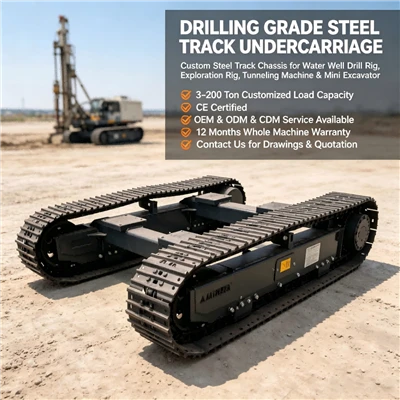
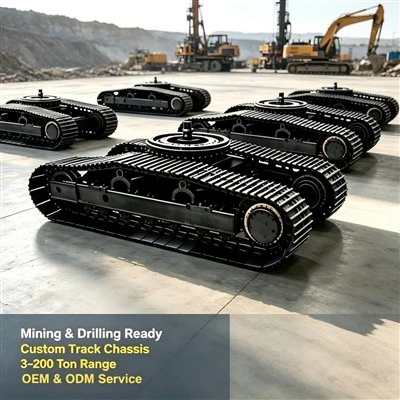
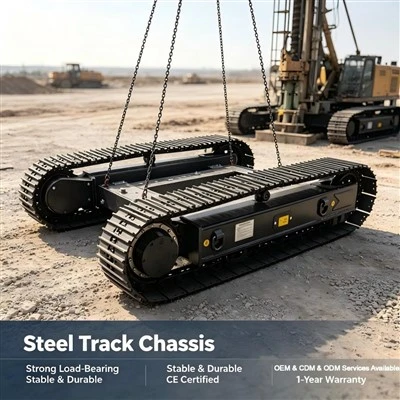
For buyers evaluating a steel track undercarriage, these are the questions worth asking your supplier: What seal technology protects the rollers in abrasive conditions? How does the sprocket tooth profile handle pitch elongation? The answers tell you more about the product than any specification sheet alone.